 Comparison
Why Independent Films Look Different From Hollywood Movies
Last Updated: November 7, 2026
Quick Summary
Independent films look different from Hollywood movies because smaller budgets, director-held creative control, and different goals shape the image. Studio films aim for polished, broadly appealing spectacle, while independent films prioritize texture, mood and specificity in each frame.
- Studio films rely on large budgets; independent films often use smaller, patchwork financing.
- Independent directors usually hold creative control instead of answering to audience testing and notes.
- Small crews often rely on available light from windows, practicals and streetlamps.
- Real locations like apartments and diners add texture that soundstages rarely match.
- Budget does not decide the look alone; restraint and tight shot planning can produce striking images.
Table of Contents
- How Budget Affects Cinematography
- Indie Film Visual Style: Texture, Framing and Color
- Creative Freedom in Independent Films and Its Visual Results
- Storytelling Choices That Change the Look
- Famous Indie Films That Show the Difference
- Start Watching: Where to Find Independent Films Tonight
- Frequently Asked Questions
Independent films look different from Hollywood movies because of who makes them, how they're funded, and what they're trying to do on screen. The visual gap is often the first thing viewers notice. The studio model optimizes for broad appeal. Independent filmmaking often starts from a single story and builds the look around it.
The term "indie" causes confusion. C. Szabo's thesis, How and Why Indie Films Have Become Their Own Genre (Pace University, 2010), argues that "indie" may not be synonymous with independent cinema. Szabo also notes that the industry makes the true financial status of films hard to understand. That ambiguity is part of why the category is hard to define.
Sherry B. Ortner's essay on American independent film, published in Against Hollywood: American Independent Film as a Critical Cultural Movement, describes independent filmmakers as challenging Hollywood's cultural dominance. They often reject fantasy, pleasure and happy endings in favor of other approaches. That rejection shows up in the frame, the color and the pacing, not only in the plot.
The difference is easiest to see side by side:
| Factor | Studio film | Independent film |
|---|---|---|
| Funding | Large studio budget | Smaller, often patchwork financing |
| Creative control | Shaped by audience testing and notes | Usually held by the director |
| Visual goal | Polished, consistent spectacle | Texture, mood and specificity |
| Typical risk | Protect a large investment | Take stylistic and narrative chances |
| Audience | Broad, mass-market | Niche, curious and festival-minded |
Lower budgets alone do not define an independent film. A filmmakers' guide from Sunrise Film Festival notes that these films tend to be cheaper than Hollywood productions, but budget size is not the whole story. Style and intent matter just as much.
How Budget Affects Cinematography
Budget shapes the image more than most viewers expect. Money decides how many lights a crew can bring, how much time a shot gets, and whether a location can be controlled. A reader watching a film may never see the budget, but they see its effects in every frame.
Lighting, Locations and Small Crews
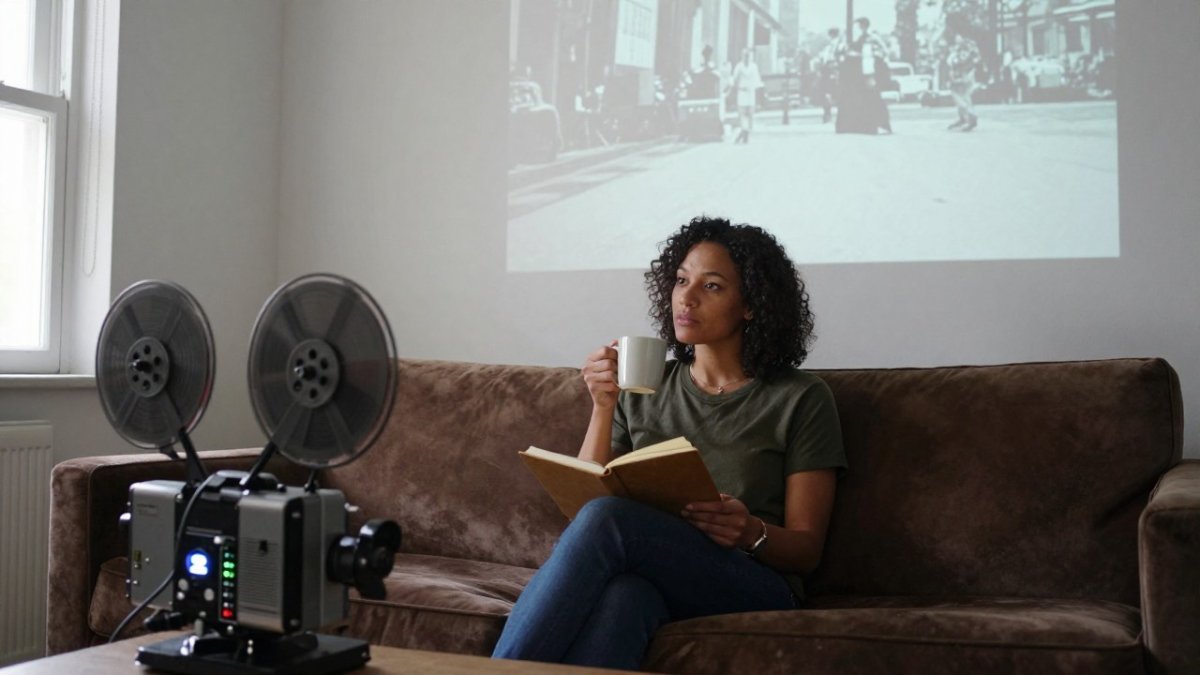
Small crews change how a film is lit and shot. Fewer people mean fewer rigs, so filmmakers often rely on available light from windows, practicals and streetlamps. The result looks uneven and natural, which many viewers read as honest.
Real locations do the same work as set design. A cramped apartment, a diner or a rented house carries texture that a soundstage rarely matches. Shooting on location also means shooting around traffic, weather and neighbors, which adds visual noise that studios usually eliminate.
Where Budget Stops Mattering
Budget is not destiny. A low-cost film can look strikingly controlled if the director plans each shot tightly and commits to one visual idea. Restraint, not expense, often produces the most memorable images.
The reverse is also true. A large budget can still produce a film that looks generic if the visual choices play it safe.
Indie Film Visual Style: Texture, Framing and Color
Independent films tend to look rougher and more personal, but the difference is not a single filter or camera. It comes from a stack of specific choices, lens, lighting ratio, camera movement, color grading, aspect ratio, and production design, that independent crews make differently because of time, money, and intent. Naming those choices is the only way to compare films honestly.
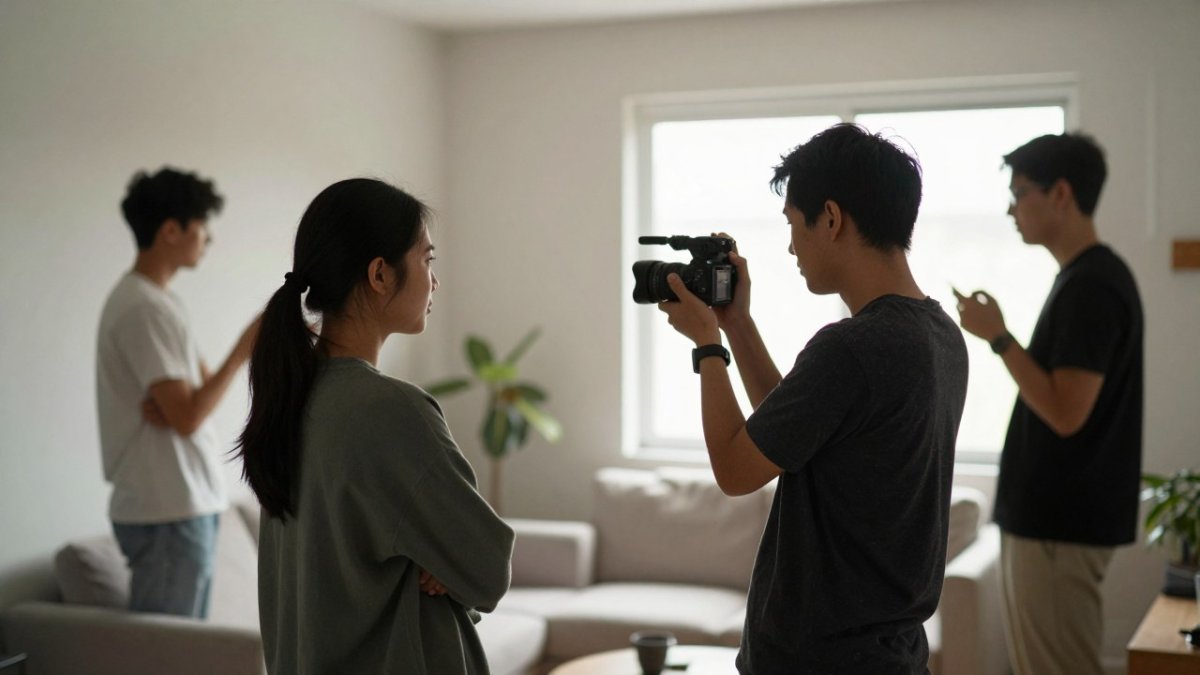
Lenses and depth of field. Studio films often shoot on fast prime lenses at wide apertures to isolate faces against soft backgrounds, a look that reads as expensive because it requires controlled lighting and focus pullers. Independent crews frequently work with slower zoom lenses or smaller sensor cameras, which produce deeper depth of field: more of the room stays in focus, and the frame feels documentary-like rather than glamorous. Neither is better; they signal different priorities.
Lighting ratio. A studio set typically controls contrast with large soft sources and fill, producing an even, flattering ratio. Independent shoots often rely on available window light and practicals, which creates harder falloff and uneven exposure across a room. That unevenness is what viewers read as "honest" or "gritty", it is a lighting decision, not a moral one.
Camera movement. Smooth dolly and Steadicam moves require track, operators, and rehearsal time. Independent films more often use handheld, locked-off tripods, or simple sliders, which changes pacing: the camera waits, the actor moves. A held shot of an awkward empty corner is a compositional choice a studio note might trim, but it is also cheaper to shoot than a choreographed move.
Color grading. Big productions grade in dedicated suites with show LUTs and shot-matching across many cameras. Independent films may grade in a single room on a laptop, which can produce uneven color temperature between scenes, sometimes by accident, sometimes on purpose. Desaturated or split-tone grades are common because they are fast and forgiving, not because indie filmmakers dislike color.
Aspect ratio and production design. Independent films sometimes shoot in 4:3 or unusual ratios to evoke a period or an intimate frame, and they lean on real locations for texture because building sets is expensive. A cramped apartment or a diner carries wear and specificity that a soundstage has to manufacture.
A practical way to compare two films is to pause on a single frame and ask: How many light sources are visible or implied? How much of the background is in focus? Is the camera still or moving, and who is driving the movement? What is the color doing in the shadows versus the highlights? Those four questions expose the production choices behind the look faster than any genre label.
Watch out: do not assume a shallow-focus, saturated frame is automatically a studio film, plenty of independent features rent fast glass for a week, and plenty of studio films deliberately flatten their image. The techniques are tools; the budget decides how often a crew can afford them, not whether they are used.
Creative Freedom in Independent Films and Its Visual Results
Creative freedom is one of the reasons the visual language differs. When a director does not answer to a studio's marketing team, the film can follow the image it wants.
That freedom also carries risk. Without a studio safety net, an independent film can fail in ways a studio film would not. Directors who take this route usually accept that trade-off willingly, because the image is the point.
Storytelling Choices That Change the Look
Storytelling and visuals are tied together. Independent films often reject the conventions that studio films rely on: tidy resolutions, sweeping score cues, and clear emotional signposting. Without those crutches, the camera has to carry more of the meaning.
Ortner's observation about rejecting happy endings applies here too. A film that refuses a comforting ending may also refuse a comforting image. Long takes, quiet scenes and unresolved framing all follow from that choice.
Famous Indie Films That Show the Difference
Looking at well-known independent films is the fastest way to see these differences in practice, but the comparison only works if you match films by scene type rather than by genre. Instead of watching a studio thriller and an indie drama back to back, pair two films that handle the same moment, a character alone in a room, a conversation across a table, a walk down a street, and compare how each one shoots it.
A few matched pairs are useful because the films are widely available and the visual contrast is legible on a first viewing:
- A character alone in a room. Compare a studio drama's coverage of a solitary scene, typically a wide establishing shot, then a slow push-in with controlled fill, with an independent film that holds a single locked-off wide shot and lets the actor move through the frame. The studio version directs the eye; the independent version asks the viewer to find the subject.
- A conversation across a table. Studio coverage often uses over-the-shoulder singles with shallow focus and matched eyelines. Independent films frequently shoot the whole conversation in one two-shot or in profile, which keeps both faces and the space between them visible. The difference is not just budget, it is a decision about whether the scene is about dialogue or about distance.
- A walk down a street. A studio film may use a Steadicam follow with a licensed song and graded color. An independent film may use a handheld walk-and-talk with available street light and live sound. The second version carries traffic, weather, and bystanders that the first usually removes.
These pairs are not ranked. A studio film can out-shoot an independent one on any given scene, and an independent film can adopt polished coverage when the story calls for it. The point is to notice the mechanism: lens, light, movement, and sound are chosen, and the choices leave fingerprints.
Independent cinema has also become a recognizable genre in its own right, which means viewers who learn its visual vocabulary may start noticing it in studio films too, a handheld sequence in a franchise movie, a desaturated grade in a streaming drama. That overlap is the subject of the next section, and it is the reason a simple "indie versus Hollywood" label breaks down under close viewing.
Start Watching: Where to Find Independent Films Tonight
If you want to see the difference for yourself, start with a film that has a clear visual point of view. BINGE Movies & TV curates independent films from visionary creators around the world, with new titles added daily. You can stream them on a Smart TV, Chromecast, Apple TV, phone or tablet, and download titles for offline viewing when you travel.
Start your 7 day FREE Trial and compare a studio film with an independent one on the same night. The visual contrast is the easiest way to understand why these films look the way they do.
Frequently Asked Questions
What makes indie films different from mainstream movies?
Independent films usually run on smaller budgets, which means smaller crews, fewer locations and less time for setup. Studio films tend to rely on polished lighting, large sets and proven formulas, while independent productions often accept rougher textures and more natural light. The difference is partly financial and partly creative: without a studio demanding a predictable product, filmmakers can take visual and narrative risks. Budget alone does not define an independent film, but it shapes the image in practical ways.
Why do independent films often have a more distinctive visual style?
Limited resources push independent filmmakers toward choices that become a style. Shooting on location instead of building sets, relying on available light and using handheld cameras all create a particular look. Because these films do not need to appeal to the widest possible audience, directors can commit to a single visual approach from start to finish. Many of the most recognized indie visual styles began as workarounds for a tight budget.
Do independent filmmakers have more creative freedom than Hollywood directors?
Often, yes, though the freedom comes with trade-offs. Independent directors usually keep more control over final cut and creative decisions because fewer investors are involved. However, they may have to raise money piece by piece, cast lesser-known actors and accept limited distribution. Hollywood directors gain resources and reach but work within studio expectations. Neither system guarantees artistic success, but the independent route allows more room for unconventional choices.
What are some famous examples of independent films?
Several independent films show how a modest budget can produce a strong and original look. Their directors often combined naturalistic performances, location shooting and personal storytelling. Studying a few of these titles side by side, especially with a similar-looking studio film, is a practical way to see how cinematography, lighting and editing change the feel of a story. Look for films that festivals have championed, since festival programming often highlights independent work.