 comparison
Filmmaker Q&A Sessions: Are They Worth Your Time?
Last Updated: November 8, 2026
Quick Summary
Filmmaker Q&A sessions are worth attending when the director is present, the session runs long enough and the film is one that rewards context. They give you insight into how the film was made, but short, poorly moderated or late-night Q&As often deliver little, so check the format before you commit.
- Check whether the director attends in person, since a recorded interview can often be found online instead.
- Look for a Q&A with a clear moderator format, because structured sessions tend to produce better questions than an open floor.
- Ask about a specific choice, such as a camera position or a scene cut, rather than a broad question about meaning.
- Skip Q&As scheduled right after a late screening, when the director is tired and the audience is leaving.
- Rewatch one key scene afterward and check whether the director's explanation matches what you see on screen.
Table of Contents
- What a Filmmaker Q&A Actually Offers
- The Case For Attending: Insight and Context
- The Case Against: When Q&As Go Wrong
- Questions Worth Asking a Director (and Ones to Skip)
- Film Festival Q&A Versus Streaming Commentary
- Using a Q&A to Analyze an Independent Film
- Deciding Whether Your Next Q&A Is Worth the Evening
- Frequently Asked Questions
Filmmaker Q&A sessions are a staple of festival screenings, arthouse cinemas and streaming premieres, and most viewers assume they add value. Whether they do depends on the session, the filmmaker and what you hope to get from the evening. This guide looks at when a Q&A is worth your time, when it is not, and how to decide before you sit down.
What a Filmmaker Q&A Actually Offers
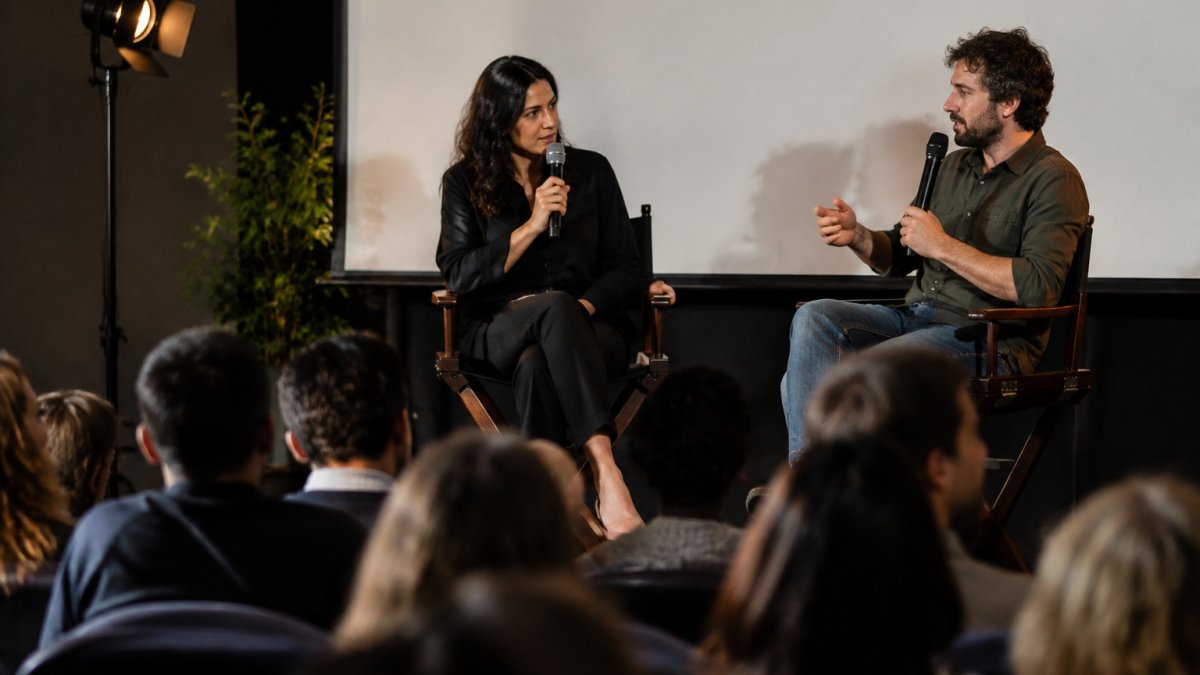
A filmmaker Q&A is an open discussion held after a screening, usually with the director and sometimes with actors or producers. The format gives you a rare chance to hear how a film was made and why it was shaped the way it was.
The value is uneven. Some Q&As are a focused conversation about craft. Others drift into vague praise or repeated audience questions. Before you attend, check whether the event lists a moderator, whether the director is attending in person, and how much time is set aside for questions. Those details predict the quality better than the film's reputation does.
The Case For Attending: Insight and Context
The strongest argument for staying is context. A film you watched alone can change once you hear the director explain a shooting constraint, a casting decision or an edit made late in post-production. Many viewers leave with a different reading of the ending.
Q&As also give you a sense of the people behind the work. Hearing a filmmaker describe their approach makes independent cinema feel less abstract, and it can send you to their earlier films or to other titles in the same tradition.
The case is strongest for films with unusual structure, unfamiliar cultural references or deliberately withheld information. Those are the films where a few minutes of explanation changes what you see on screen.
What Director Commentary Teaches That a Q&A Can Match
Director commentary on a DVD or streaming release gives you a structured walkthrough, often scene by scene. A Q&A cannot match that depth on any single moment, but it can cover broader questions the commentary usually skips: why the director chose this story, what the festival circuit was like for them, and what they would change now.
If you want technical detail on a specific scene, commentary is the better source. If you want the director's broader reasoning and the audience's reactions, the live Q&A adds something commentary cannot.
The Case Against: When Q&As Go Wrong
Not every Q&A is worth the evening. Some are poorly moderated, with a few audience members dominating the floor. Others run long on praise and short on substance.
That framing is useful: the value of attending depends heavily on how the session is run and how the audience behaves.
A Q&A can be the best part of a festival or a dead loss, and you often cannot tell which until you are in the room.
Watch for these warning signs:
- A Q&A scheduled right after a late screening, when the director is tired and the audience is leaving.
- A moderator who introduces themselves at length but asks only one or two questions.
- Sessions where the audience is mostly friends and colleagues of the filmmaker.
Questions Worth Asking a Director (and Ones to Skip)
If you do get the microphone, ask about the work rather than the person. Questions about a specific choice tend to get useful answers.
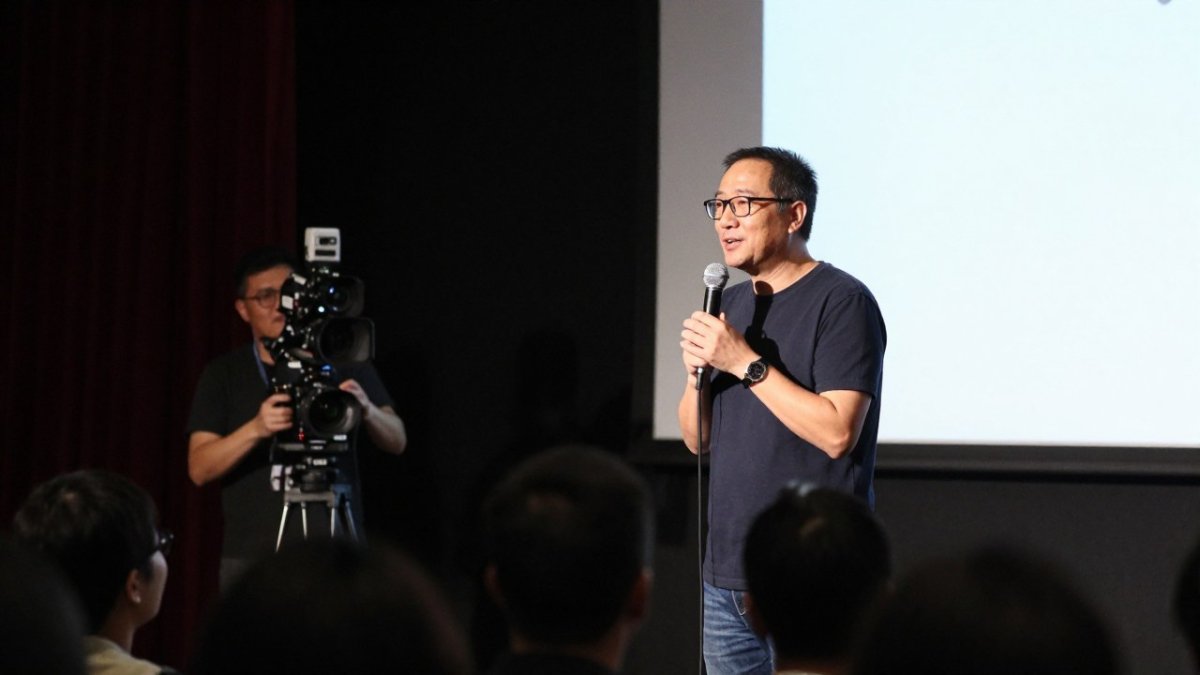
Good questions include:
- "How did you decide where to hold the camera during the dinner scene?"
- "What did the budget force you to cut, and did the cut improve the film?"
- "Which scene changed most between the script and the final edit?"
Skip questions that are hard to answer in a few seconds, such as "What is the meaning of the film?" or "What advice would you give to aspiring filmmakers?" Those invite generic answers and use up time that other audience members could spend on something specific.
If the moderator is taking questions, keep yours short and ask one thing. A tight question is more likely to get a real answer and leaves room for the next person.
Film Festival Q&A Versus Streaming Commentary
For many viewers the real choice is between a live festival Q&A and watching a film at home with commentary or interviews. The two formats are not interchangeable, because they are produced at different stages and by different people, and that difference determines what each can tell you.
A commentary track is recorded in a studio, usually months after the film is finished, with the director and sometimes the editor or cinematographer watching a locked cut. It is structured, scene-by-scene, and edited for clarity. That makes it the better source for technical detail on a specific moment: you can pause, rewind, and hear the same explanation twice.
A live Q&A is unrehearsed and happens in front of an audience, often the same day as the screening. That makes it better for the director's broader reasoning, for the festival context, and for the audience's reaction, which is itself part of the experience.
| Option | Best for | Main limit |
|---|---|---|
| Live festival Q&A | The director's real-time reasoning, audience reaction, festival context | Fixed time, quality varies, moderator-dependent |
| Streaming commentary | Scene-level technical detail at your own pace, rewatchable | Recorded months later, one-sided, not always available |
| Recorded festival interview | A middle ground: structured questions, some spontaneity | Edited, no audience, often short |
| Watching a subtitled world film | Discovering filmmakers outside the mainstream | Requires attention to subtitles |
The practical result is that the 'live versus commentary' choice is often less about access than about format: you can sometimes get both, and the question becomes which one answers the specific thing you want to know.
If you are watching international films at home, subtitles change how much you catch. Pausing to read a line of dialogue can help you follow a film's rhythm, and a commentary track on a subtitled film lets you hear the director discuss choices you might otherwise miss while reading.
Streaming also makes it easier to watch independent films you would never find in a cinema. BINGE Movies & TV offers a curated selection of independent and arthouse titles from creators around the world, with new titles added regularly. That makes it a practical way to build a watchlist between festival visits.
Pros and cons at a glance:
- Live Q&A. Pro: immediate answers, audience reaction, festival context. Con: short, uneven, moderator-dependent, tied to one evening.
- Streaming with commentary. Pro: scene-level detail, rewatchable, pause at will. Con: recorded retrospectively, one-sided, not always available.
- Recorded festival interview. Pro: structured and often published online. Con: edited, no audience, usually short.
- Independent film streaming. Pro: access to titles you might otherwise miss. Con: no director present to explain the choices.
Using a Q&A to Analyze an Independent Film
A Q&A can sharpen your analysis if you go in with a repeatable framework rather than a vague intention to 'pay attention.' The most useful approach is to treat the discussion as a chance to test specific craft choices against what the filmmaker says they intended.
1. Framing and aspect ratio. Before the screening, note the aspect ratio (1.85:1, 2.39:1, 1.33:1, or a variable ratio) and whether the film holds one ratio or shifts between them.
2. Lighting. Independent films often work with available light or a small lighting package, and the result is visible: harder falloff, mixed color temperatures, practicals doing more of the work. Ask whether a scene was lit or found.
3. Lens and camera movement. Note whether the film favors wide lenses close to the actor, long lenses from a distance, or a handheld versus locked-off camera.
4. Color and production design. Independent films often build a palette from what a location already offers rather than from a designed set. Listen for whether the director mentions a color grade, a film stock emulation, or a decision to avoid a look.
5. Sound and score. Sound is the dimension audiences notice least and directors discuss most readily when asked. Ask whether a scene was scored or left silent, whether dialogue was ADR'd, or whether a sound design choice was made in post.
6. Editing and structure. Ask which scene changed most between script and final edit, or which scene was cut. Editors and directors usually have a ready answer, and it is often the most revealing thing said all evening.
During the Q&A, write down any phrase the director uses to describe their intent, 'we wanted it to feel observed,' 'we shot it like a documentary', because that vocabulary will help you analyze the film later. Afterward, rewatch one key scene with the explanation in mind.
Deciding Whether Your Next Q&A Is Worth the Evening
Use a simple check before you commit:
- Is the director attending in person? If not, the session may be a recorded interview, which you can often find online.
- How long is the Q&A, and when does it start? A short session after a late screening rarely delivers much.
- Do you know anything about the film? If you have seen it, you will recognize the answers. If not, you may need a second viewing to get the most out of the discussion.
- Does the moderator have a clear format? A structured Q&A tends to produce better questions than an open floor.
If most of these checks come back positive, the Q&A is probably worth staying for. If not, you can often get similar insight from interviews and commentary, and spend the evening on another film instead.
Whichever you choose, a filmmaker Q&A is a chance to see how a film was made. Go in with specific questions, watch for the signs of a weak session, and treat the discussion as the start of your analysis rather than the end.
Start your 7 day FREE Trial with BINGE Movies & TV to browse curated independent films, stream on your favorite devices and download titles for offline viewing.
Frequently Asked Questions
Are filmmaker Q&A sessions worth attending?
They are worth attending when the session is well run and the filmmaker speaks concretely about choices in the film: casting, budget limits, shooting locations or editing decisions. Experiences vary widely, and the outcome often depends on the moderator and the audience questions. Your experience will depend largely on the moderator and the audience questions, so judge each session on its format rather than assuming it will enrich the viewing.
What can you learn from a filmmaker Q&A session?
A good Q&A can show you how a director thought about a scene, what constraints shaped the production and what the filmmaker wanted audiences to notice. Those details are useful if you want to analyze an independent film more closely afterwards. The most valuable answers tend to be specific, such as why a scene was shot in one long take, rather than general remarks about inspiration. Treat the session as a source of context, not as the final word on what the film means.
What questions should you ask a film director?
Ask about decisions you noticed on screen rather than broad questions like where ideas come from. Good examples include why a particular location was chosen, how the crew handled a low budget, or which scene changed most during editing. Keep questions short and avoid asking for a plot summary the film already gives. Questions about process tend to get more useful answers than questions about personal opinions or the director's life.
How is a filmmaker Q&A different from director commentary?
A Q&A is live, so the answers depend on the moderator and the audience, and the filmmaker may be guarded or tired after a screening. Director commentary is recorded, usually more structured, and can be replayed while you watch. Commentary often covers technical choices in more detail, while a Q&A can add emotional context and surprising anecdotes. Many viewers find that the two complement each other.