 blog
blog
Independent Cinema vs Hollywood Blockbuster Formulas
Table of Contents
- What Defines Independent Cinema vs Hollywood Blockbuster Formulas
- Creative Freedom and Artistic Vision in Independent Film Storytelling
- How Hollywood Blockbuster Formula Drives Production Decisions
- Independent Film Budget and Production: Why Scale Matters
- Indie Film Marketing and Distribution: Reaching Your Audience
- Why Audiences Choose Independent Cinema Over Blockbusters
- The Blurred Lines: Hybrid Models and Changing Industry Dynamics
- Frequently Asked Questions
Last Updated: October 7, 2026
What Defines Independent Cinema vs Hollywood Blockbuster Formulas
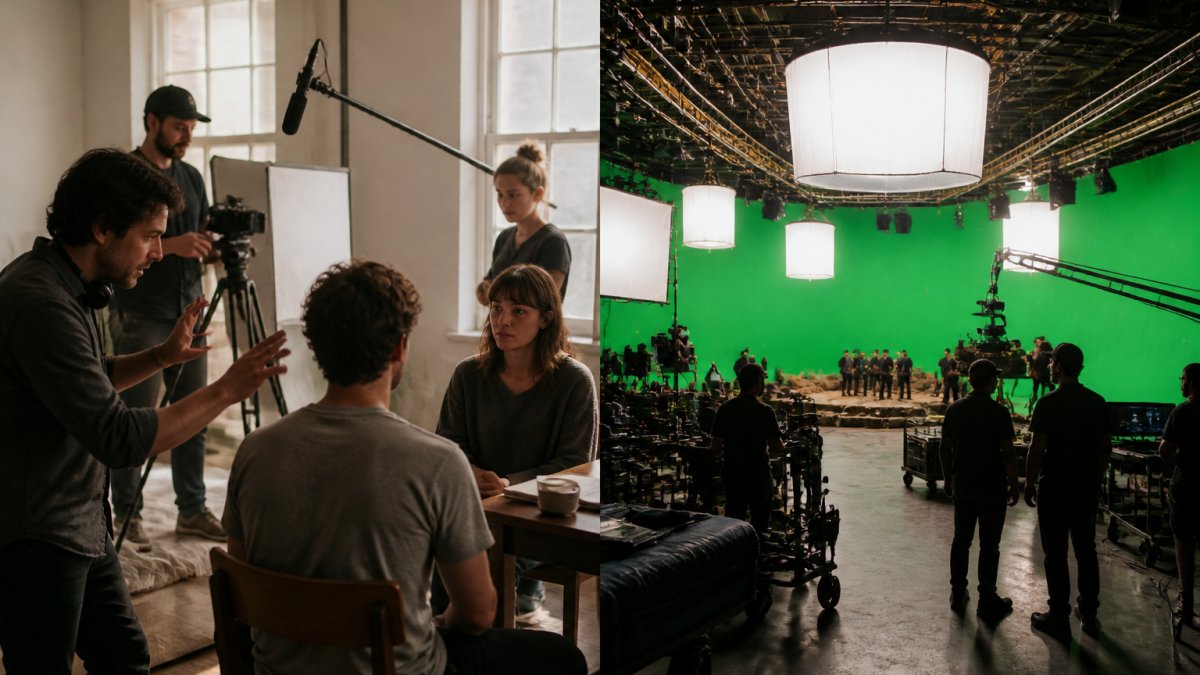
Independent cinema vs hollywood blockbuster formulas represent two fundamentally different approaches to filmmaking, driven by economics, creative philosophy, and audience expectations. Independent films are typically produced outside the major studio system with limited budgets, smaller crews, and creative control vested in the director or producer. Hollywood blockbusters, by contrast, are studio-backed productions designed for mass appeal, built around intellectual property, franchise potential, and substantial marketing budgets.
The distinction goes deeper than budget size. Independent filmmakers often prioritize artistic vision and narrative experimentation, while blockbuster producers optimize for broad audience appeal and commercial viability. Yet this divide isn't absolute. According to the Shorenstein Center's U.S. Independent Film Study, independent films contribute significantly to film culture by offering alternatives to familiar formulas, challenging the dominance of studio-driven narratives.
At BINGE Movies & TV, we recognize that understanding these differences matters for anyone seeking authentic, thought-provoking cinema. The independent cinema vs hollywood blockbuster formulas debate shapes not just what gets made, but how stories are told and who gets to tell them.
Creative Freedom and Artistic Vision in Independent Film Storytelling
Independent filmmakers operate with fewer constraints, allowing for bold storytelling choices that major studios avoid. Creative freedom in independent cinema means directors can pursue unconventional narratives, experiment with form, and take financial risks on unproven concepts. There's no mandate to deliver a franchise or sequel; the film itself is the product.
This autonomy shapes independent film storytelling fundamentally. Directors control script development, casting decisions, editing, and final cut. They're not answering to studio executives concerned with quarterly earnings or international box office projections. The result is often more personal, idiosyncratic work, films that reflect a singular vision rather than a consensus-tested formula.
However, independent film storytelling still employs narrative structure. As noted in research on Hollywood blockbuster formulas by Ganna Pogrebna and colleagues, even unconventional narratives follow recognizable patterns. The difference lies in execution: indie filmmakers might use familiar story beats but subvert audience expectations through tone, character, or thematic focus.
The trade-off is real. Creative freedom often means smaller budgets, limited distribution reach, and uncertain commercial returns. Independent filmmakers accept financial risk in exchange for artistic control, a calculation studio producers rarely make.
How Hollywood Blockbuster Formula Drives Production Decisions
Hollywood blockbuster formula is engineered for predictability and scale. Major studios invest $150-300 million in tentpole productions, so every creative decision must justify that investment through projected returns. This economics-first approach shapes everything: script selection, casting, visual effects, pacing, and even the emotional beats of the story.
The blockbuster formula typically follows a proven template. Opening sequences establish stakes immediately. Act structures are tightly paced to maintain momentum. Character arcs resolve clearly. Endings deliver catharsis or setup for sequels. Dialogue is accessible to global audiences with varying English proficiency. Visual spectacle compensates for thinner character development.
This isn't cynicism, it's risk management. When you're spending $200 million, you optimize for the widest possible audience. You avoid ambiguity, slow pacing, or endings that leave viewers unsatisfied. You include set-pieces designed for trailer moments. You cast recognizable names that guarantee international distribution deals.
The Hollywood blockbuster formula also prioritizes franchise potential and intellectual property. Original stories are riskier, so studios prefer sequels, adaptations, and established IP. This shapes production decisions years before cameras roll. Writers develop scripts knowing they must accommodate future installments. Producers structure deals with merchandising partners.
Now consider The Rider (2017), Chloé Zhao's independent feature about a rodeo cowboy recovering from a head injury. The film cost under $100,000, cast non-professional actors from the Pine Ridge Reservation, and uses natural light and long takes.
The formula difference is not just budget. It is a different theory of audience attention. Blockbusters assume viewers need constant stimulation and clear emotional signposts. Independent films often assume viewers will tolerate ambiguity, slowness, and unresolved tension if the payoff feels authentic.
Independent Film Budget and Production: Why Scale Matters
Independent film budget and production operate on radically different economics than studio filmmaking. A typical indie feature costs $500,000 to $5 million. A blockbuster costs 20-100 times more. This scale difference determines nearly everything else: crew size, equipment quality, location options, post-production time, and distribution strategy.
With limited independent film budget, directors make deliberate choices. They shoot on fewer locations. They use natural lighting instead of lighting trucks. They cast emerging actors instead of A-list names. They edit longer to compensate for fewer takes. They rely on script quality and performance rather than visual effects.
This constraint often produces creative benefits. Smaller crews move faster. Fewer approval layers mean quicker decisions. Lower overhead allows longer shooting schedules on modest budgets. Filmmakers develop problem-solving skills that translate to distinctive visual styles.
However, independent film budget limitations create real barriers. Limited post-production time means fewer color grades, sound mixes, or visual effects refinements. Smaller crews increase workload per person. Fewer location options constrain production design. Lower salaries make crew retention difficult.
The financing model also differs. Studios secure funding through pre-sales and distribution guarantees. Independent producers cobble together funding from investors, grants, and personal capital. This makes independent film budget planning more precarious but also more flexible, filmmakers can pivot faster when conditions change.
| Budget Category | Independent Film | Hollywood Blockbuster |
|---|---|---|
| Typical Budget | $500K-$5M | $150M-$300M+ |
| Crew Size | 20-50 people | 200-500+ people |
| Equipment Investment | Minimal; rented | Owned; specialized |
| Post-Production Time | 3-6 months | 12-18 months |
| Visual Effects Budget | $0-$500K | $20M-$100M+ |
| Marketing Budget | $100K-$1M | $50M-$200M+ |
Indie Film Marketing and Distribution: Reaching Your Audience
Indie film marketing and distribution strategies differ fundamentally from blockbuster approaches. Studios spend $50-200 million marketing a single film, saturating television, digital, and theatrical channels. Independent producers typically spend $100,000 to $1 million, a fraction of production budget.
This constraint forces creativity. Indie film marketing relies on festival screenings, word-of-mouth, social media, and press coverage. Filmmakers attend Sundance, Cannes, or SXSW, where critics and distributors discover films. Awards buzz builds audience interest. Positive reviews in niche publications drive early adopters.
Distribution channels also differ. Blockbusters secure wide theatrical releases: 3,000-4,000 screens simultaneously. Indie films typically start with limited theatrical release (100-500 screens) or skip theatrical entirely, going straight to streaming. This reflects both budget constraints and audience reach.
Yet indie film marketing increasingly leverages streaming platforms. Services like BINGE Movies & TV specialize in curating independent films that reach audiences seeking alternatives to mainstream formulas. This distribution model bypasses traditional theatrical gatekeeping, allowing independent filmmakers to reach global audiences directly.
The advantage: indie film marketing can be highly targeted. Filmmakers identify specific audience segments, film festival enthusiasts, international cinema lovers, genre devotees, and market directly to them. This creates loyal communities around films rather than mass consumption.
Why Audiences Choose Independent Cinema Over Blockbusters
Audiences gravitate toward independent cinema for reasons blockbusters don't address. Independent cinema offers authenticity. Characters face real consequences. Stories don't reset for sequels. Dialogue reflects how people actually speak. Endings feel earned rather than manufactured.
Independent cinema also attracts viewers seeking diversity. International independent films bring perspectives and storytelling traditions absent from Hollywood blockbuster formulas. Indie directors explore themes studios consider uncommercial: grief, alienation, class struggle, cultural identity. These stories matter to audiences hungry for representation and complexity.
There's also the discovery factor. Independent cinema rewards active viewing. Audiences research films, read reviews, attend festivals. This engagement creates stronger emotional investment. A film you discovered yourself feels more meaningful than one marketed to you.
However, blockbusters retain massive audiences. Visual spectacle, familiar characters, and escapism deliver genuine value. Audiences exhausted by daily life want entertainment that demands minimal cognitive effort. Blockbusters excel at this.
The choice isn't either-or. Many viewers consume both. They watch blockbusters for entertainment and independent cinema for substance. The real insight: audiences increasingly recognize independent cinema vs hollywood blockbuster formulas as offering different experiences, not competing for identical viewers.
The Blurred Lines: Hybrid Models and Changing Industry Dynamics
The distinction between independent cinema vs hollywood blockbuster formulas blurs constantly. Streaming platforms fund films that operate between categories. Directors move between indie and studio work. Independent filmmakers gain studio backing after festival success.
A24, for example, functions as a hybrid: it finances and distributes films with artistic integrity and modest budgets, yet achieves theatrical scale and cultural impact. Moonlight (2016) cost roughly $4 million and won the Best Picture Oscar. Everything Everywhere All at Once (2022) cost around $25 million and grossed over $100 million worldwide.
But the hybrid model is not new.
Streaming platforms further disrupt traditional categories. Netflix, Amazon Prime, and Apple TV+ fund films that might have been independent 20 years ago but now have blockbuster budgets. The Irishman (2019) cost $159 million and was produced by Netflix. Roma (2018) cost $15 million and was distributed by Netflix.
The economics are shifting too. Theatrical releases cost more but generate prestige. Streaming releases cost less but reach broader audiences. Some filmmakers now view streaming as primary distribution, not a fallback option. This changes the calculus for what stories get told.
Yet the fundamental tension remains. Independent cinema prioritizes artistic vision; blockbuster formula prioritizes commercial return. Most films exist somewhere on this spectrum, balancing both concerns. Understanding where a film sits on that spectrum explains its creative choices and audience appeal.
A more nuanced definition of independence helps here. Independence is not simply a low budget. It can mean:
- Financing independence: funded by private investors, grants, or personal capital rather than a studio.
- Ownership independence: the filmmaker retains rights to the negative and final cut.
- Creative independence: no studio notes or mandated changes.
- Distribution independence: self-distribution or niche distributor rather than a major studio.
A film can be independent on one axis and not another. The Blair Witch Project (1999) was independently financed and owned, but distributed by Artisan Entertainment. Get Out (2017) was financed by Blumhouse and distributed by Universal, yet retained strong creative independence. Understanding these dimensions avoids an oversimplified binary.
Frequently Asked Questions
How do independent films differ from Hollywood blockbusters in storytelling?
Independent cinema prioritizes personal vision and unconventional narratives, often rejecting familiar formulas that blockbusters depend on. While Hollywood blockbusters follow proven structures designed for mass appeal, think hero's journey, predictable plot arcs, and satisfying resolutions, independent films experiment with non-linear storytelling, ambiguous endings, and niche themes. Independent film storytelling reflects the director's authentic voice rather than committee-driven decisions shaped by marketing research and audience testing.
Why do independent films have more creative control than studio productions?
Independent filmmakers answer primarily to themselves, not shareholders or studio executives. With smaller production budgets and fewer stakeholders, indie creators make artistic choices without pressure to maximize box office returns or appeal to the broadest possible demographic. Studio productions, by contrast, involve extensive notes from producers, executives, and test audiences, which can dilute the original creative vision. This structural difference is why independent cinema often feels more daring and personal than Hollywood blockbuster formula-driven projects.
Can independent films achieve mainstream success without compromising their vision?
Yes, but it's rare. Some independent films have crossed into mainstream recognition through festival buzz, word of mouth, or critical acclaim, proving that niche storytelling can find broad audiences. However, achieving blockbuster-level box office success typically requires concessions: wider theatrical releases, larger marketing budgets, and sometimes script revisions to broaden appeal. Many indie filmmakers intentionally reject mainstream success to preserve artistic integrity, accepting smaller audience reach as the trade-off for creative autonomy.
What should viewers look for when choosing between indie films and blockbusters?
Ask yourself what you want from cinema. Blockbusters offer spectacle, familiar narrative satisfaction, and escapism, ideal for entertainment and visual thrills. Independent cinema delivers originality, diverse perspectives, and thought-provoking storytelling, perfect if you crave artistic challenge and fresh voices. Consider your mood: blockbusters work for social viewing and straightforward pleasure; indie films reward focused attention and reflection. Streaming platforms like BINGE Movies & TV curate independent selections specifically for viewers seeking cinema beyond Hollywood formulas, making discovery easier.