 blog
Fandor vs OVID.tv: Which Indie Film Service Wins
Table of Contents
- Fandor vs OVID.tv at a Glance
- Catalog Depth: Independent Film Selection and Variety
- Fandor Pricing and Subscription Plans
- OVID.tv Subscription Cost and Plan Options
- Streaming Features: Apps, Devices, and Offline Viewing
- Best Streaming Services for Indie Films: How They Compare
- Which Service Should You Choose?
- Frequently Asked Questions
Last Updated: October 17, 2026
Fandor vs OVID.tv at a Glance
If you're hunting for independent films and art-house cinema outside the mainstream streaming bubble, you've probably heard of both Fandor and OVID.tv. These platforms cater to cinephiles who want curated selections of festival favorites, international films, and emerging filmmaker work. But they're not identical, and choosing between them depends on what matters most to you: catalog depth, pricing, offline viewing, or discovery experience.
Here's the thing: most indie film streamers position themselves as the ultimate curator, but they each take different approaches to what "curated" actually means. One emphasizes breadth with daily additions. The other focuses on editorial depth with carefully selected programming. Understanding those differences is crucial before you commit to another monthly subscription.
We've compared both services across the categories that matter most to indie film lovers: what's actually available, how much it costs, what devices you can use, and which service delivers better value for different types of viewers.
Catalog Depth: Independent Film Selection and Variety
The real difference between streaming services for indie cinema comes down to what's actually in the library and how frequently it changes. Both Fandor and OVID.tv position themselves as homes for independent film, but they stock their shelves differently.
Fandor builds its catalog around filmmaker discovery and festival programming. The platform emphasizes emerging voices and award-winning selections from major film festivals.
OVID.tv takes a broader approach to independent content. The New Yorker describes OVID.tv's selection as a cornucopia of international movies.
Both services cover the categories indie film lovers care about: foreign cinema, documentaries, sci-fi and fantasy with artistic merit, classic films, and contemporary independent work. The difference is in depth per category and how regularly new titles arrive.
For viewers who want daily discovery, new films added constantly to keep the platform fresh, BINGE Movies & TV follows a similar model with daily content additions and global perspectives from diverse creators.
Fandor Pricing and Subscription Plans
Pricing is where most Fandor-vs-OVID comparisons fall apart, because both services change rates and promotions more often than the big streamers. Rather than repeat a number that may be stale by the time you read this, here is the decision framework that actually matters, plus what to verify before you enter a card number.
How Fandor's billing model works. Fandor sells a single consumer subscription rather than a tiered menu. In practice that means one monthly rate, one annual rate, and no upsell ladder for 4K, simultaneous streams, or ad removal. A common pattern among boutique arthouse services is a monthly plan in the single-digit-to-low-double-digit dollar range and an annual plan discounted roughly two months versus paying month-to-month. Confirm the live numbers on its subscription page before you commit.
The free trial is the real pricing test. Fandor offers a free trial so you can audit the catalog before the first charge. Treat the trial as a structured test, not a browsing session:
Annual vs monthly: when the discount is worth it. An annual plan only pays off if you watch at least a few titles per month. If your realistic pace is one film every two or three weeks, monthly billing lets you pause during slow months without losing prepaid value.
What Fandor's price buys you, and what it doesn't. The subscription covers the full curated catalog with no per-title rentals. It does not buy you the breadth of a general-interest service, so the value calculation is catalog-fit, not title-count.
Fandor current plans and pricing
Before subscribing, verify three things on the live page: the current monthly and annual rates, the exact trial length, and whether the plan includes offline downloads. Those three data points decide whether Fandor is the cheaper or more expensive option for your viewing habits, which is the comparison the next section handles for OVID.tv.
OVID.tv Subscription Cost and Plan Options
OVID.tv's pricing story is inseparable from its structure: it is a joint venture among independent film distributors, and that partnership model shapes both what you pay and what you get. Understanding the model explains why OVID's catalog behaves differently from a single-studio service.
How OVID.tv's billing model works. OVID sells a single consumer subscription with a monthly and an annual option, mirroring Fandor's no-tiers approach. The service has historically priced in the same boutique-arthouse band as Fandor, a monthly rate in the single-digit-to-low-double-digit dollar range with an annual plan discounted versus month-to-month. Because OVID periodically adjusts rates and runs promotional offers, confirm the live numbers on its subscription page rather than relying on any third-party figure, including this one.
The free trial and what to test. OVID offers a free trial, and it is the right place to answer the question that matters most: does the distributor-partnership catalog cover the filmmakers you actually watch? A structured trial:
- Search for titles from the specific distributors and countries you follow.
- Check the "new" and "leaving soon" rows.
- Confirm device support and whether your plan allows downloads.
Annual vs monthly for OVID specifically. The annual discount is most valuable for documentary and international-cinema viewers who watch steadily. If your interest is narrow, say, one national cinema or one distributor's output, monthly billing lets you subscribe during a programming cycle and pause afterward, which suits OVID's rotating catalog better than a locked annual commitment.
What OVID's price buys you, and what it doesn't. The subscription grants full-catalog streaming with no per-title rentals and no premium add-ons.
OVID.tv current plans and pricing
Fandor vs OVID.tv on cost, side by side. Both services use a single-tier subscription with a free trial and an annual discount, so headline price is rarely the deciding factor. The real cost difference is catalog fit: Fandor's festival-and-filmmaker curation versus OVID's distributor-driven international breadth. Verify current rates, trial length, and download support on each live page, then let a week of trial viewing, not the sticker price, make the call.
Streaming Features: Apps, Devices, and Offline Viewing
This is where practical differences emerge between the two services. If you travel frequently, commute, or spend time offline, the apps and device support matter enormously.
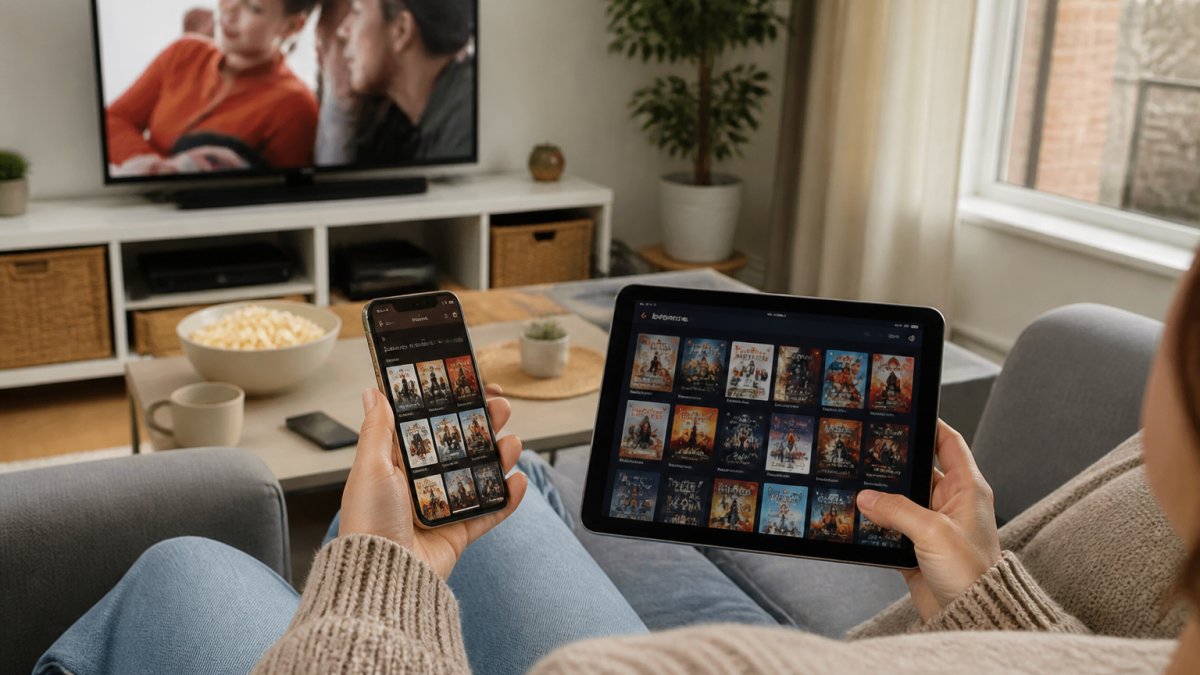
Fandor supports streaming across multiple devices, phones, tablets, smart TVs, and computers. The platform is accessible through web browsers and dedicated apps on iOS and Android. However, offline viewing capabilities vary, and you should verify current app features on their platform to confirm whether downloads are available for your specific device.
OVID.tv similarly covers major platforms and devices. They offer apps for iOS, Android, and web access, so you can start watching on your phone and continue on your TV without friction.
The practical difference: if offline viewing is non-negotiable for you, say you're flying internationally or need to watch without reliable internet, you need to test both services during their free trials to confirm their current download functionality works on your specific devices.
BINGE Movies & TV, by contrast, builds offline access into its core offering. The platform supports multi-device streaming without extra costs, and the ability to download titles for offline viewing is available across Smart TVs, Chromecast, Apple TV, phones, and tablets. If seamless offline access across multiple devices is a priority, that's a meaningful differentiator worth considering.
Best Streaming Services for Indie Films: How They Compare
| Feature | Fandor | OVID.tv | BINGE Movies & TV |
|---|---|---|---|
| Indie Film Focus | Festival-driven curation | International breadth | Daily-updated indie selection |
| Catalog Updates | Regular additions | Ongoing expansion | Daily new content |
| Offline Viewing | Limited/app-dependent | Limited/app-dependent | Full download support |
| Device Support | iOS, Android, web, smart TV | iOS, Android, web, smart TV | Smart TVs, Chromecast, Apple TV, phones, tablets |
| Free Trial | Yes | Yes | Yes (7 days) |
| Primary Strength | Filmmaker discovery | International cinema | Consistent content refresh |
The comparison reveals three different philosophies. Fandor emphasizes filmmaker and festival connections. OVID.tv emphasizes breadth and international perspectives. BINGE Movies & TV emphasizes consistent daily additions and seamless multi-device access with reliable offline functionality.
For indie film lovers, the choice depends on whether you prioritize discovery (Fandor), international depth (OVID.tv), or consistent fresh content with strong offline support (BINGE Movies & TV).
Which Service Should You Choose?
Choose Fandor if you're deeply engaged with the festival circuit and filmmaker discovery. You want to follow emerging directors and watch award-winning selections.
Choose OVID.tv if international cinema and global perspectives are your priority. You want access to films from around the world.
Choose BINGE Movies & TV if you want daily discovery, reliable offline viewing across all your devices, and a platform built specifically for serious indie film lovers who don't want to compromise on access or content refresh. The daily additions mean you're never running out of new material to explore, and the multi-device support with download capability makes it genuinely portable.
The honest answer: all three services solve the same core problem, getting you access to independent and international cinema outside the mainstream. The differences are in philosophy, catalog approach, and technical features. Test each one during the free trial period. Spend a week browsing each catalog, checking device compatibility, and testing offline features if that matters to you.
Frequently Asked Questions
What is the difference between Fandor and OVID.tv?
Fandor and OVID.tv both specialize in independent, international, and art-house films outside mainstream streaming. Fandor focuses on curated discovery with filmmaker interviews and editorial content, while OVID.tv emphasizes festival films and emerging cinema. Both offer free trials and download capabilities, but their curation philosophies and content partnerships differ.
Does Fandor or OVID.tv offer a free trial?
Both Fandor and OVID.tv offer free trials to new subscribers, allowing you to explore their catalogs before committing to a paid plan. Trial lengths vary by service, so check their websites for current terms. This makes either platform a low-risk way to test whether their indie film selection matches your viewing preferences before deciding which best streaming service for indie films suits your needs.
Which service has better offline viewing for travel?
Both platforms support downloading titles for offline viewing on mobile devices and tablets. OVID.tv and Fandor allow you to download films and watch them without an internet connection, making either suitable for commuters and travelers. Download availability depends on licensing agreements per title.
Are Fandor and OVID.tv worth the subscription price?
Value depends on your viewing habits and preferences. If you actively seek festival films, international cinema, and independent work unavailable on Netflix or Prime Video, either platform justifies the cost. Fandor suits viewers who want editorial curation and filmmaker insights, while OVID.tv appeals to those hunting emerging talent and award-winning hidden gems. Start with a free trial to assess catalog depth against your tastes before committing to a monthly subscription.
If you're already paying for Netflix and HBO Max but craving something genuinely different, films that challenge, surprise, and come from voices outside the studio system, BINGE Movies & TV offers a curated alternative with daily additions of independent films not found on mainstream platforms. Start your 7-day free trial and discover emerging filmmakers before they become household names.